
Category: Vienna University of Technology
-
TU Wien: Nature Based and Digital Solutions for Future Spatial Planning and Design

During the summer semester 2025, TU Wien’s Faculty of Architecture and Planning, Institute of Spatial Planning, offered an innovative course entitled Digital Twins in the Context of Renaturation: Nature-Based and Digital Solutions for Spatial Planning. The seminar, led by visiting professor Fabian Dembski, explored how digital technologies can be combined with ecological approaches to address…
-
Visiting Professorship at TU Wien

What are ‘digital twins’ and how can they support spatial planning and architecture? What tools and methods can we apply in this context to develop ‘nature-based and digital solutions’ and strategies for climate-resilient cities and regions, and how can we use these for collaborative approaches and more democratic processes? In the seminar “Digital Twins in…
-
Study: How Youth Culture Shaped Urban Space in Vienna During the Pandemic
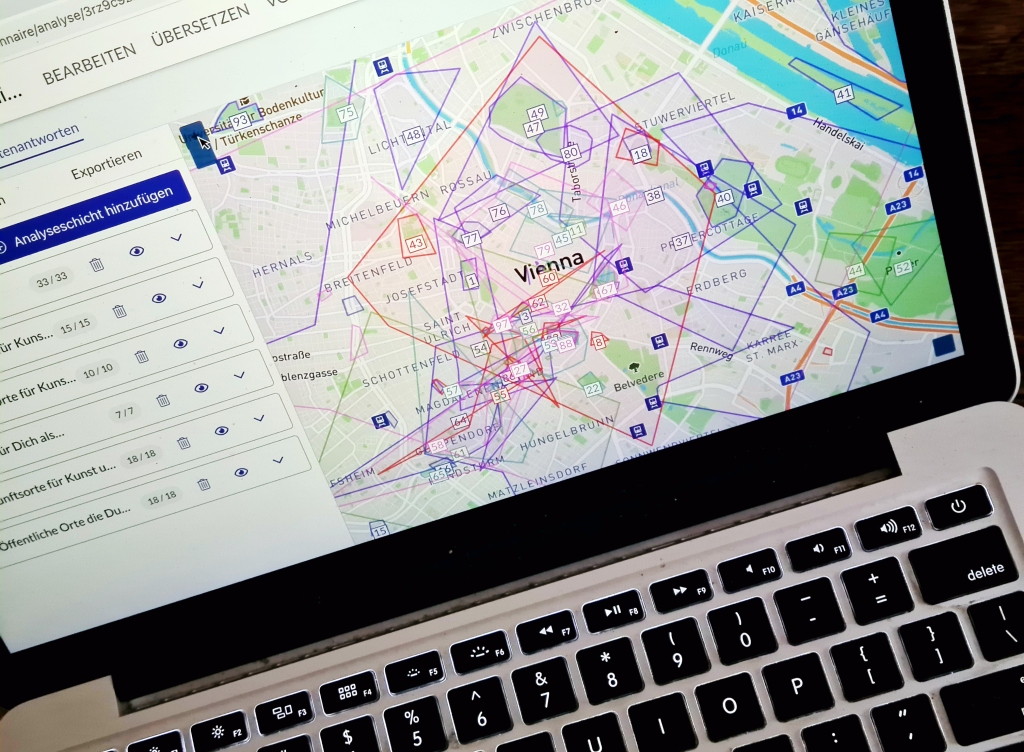
How did the pandemic change our urban spaces, and how sustainable was this development? The study investigates which places were frequented by young people during the COVID-19 measures in Vienna and how they were used and adapted for informal cultural and artistic activities. Using an online questionnaire or citizen engagement platform that also allowed geo-referenced…
-
Teaching: Scientific Visualisation in VR and AR at TU Wien
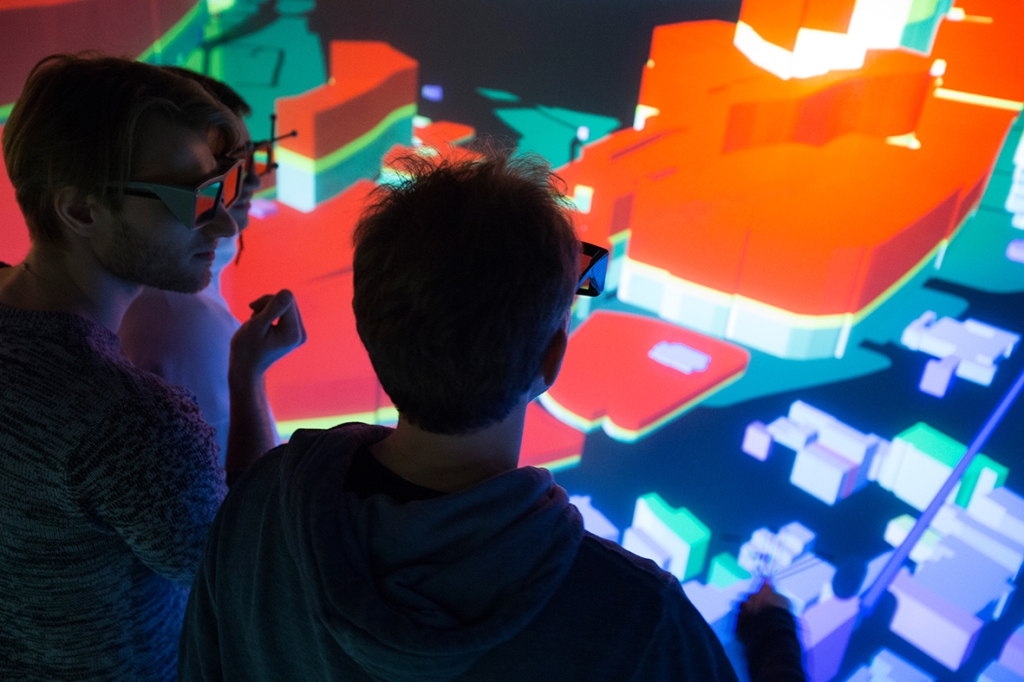
This seminar is addressed to students of all faculties and fields of study who want to learn how to visualize their own research results, designs, analyses and simulations on desktop, but also in augmented and virtual reality. Another key objective of the seminar is to promote interdisciplinary cooperation and to support scientific exchange beyond the…
-
Guest Lecture at TU Wien: The Post-Oil City: Case Studies and Strategies
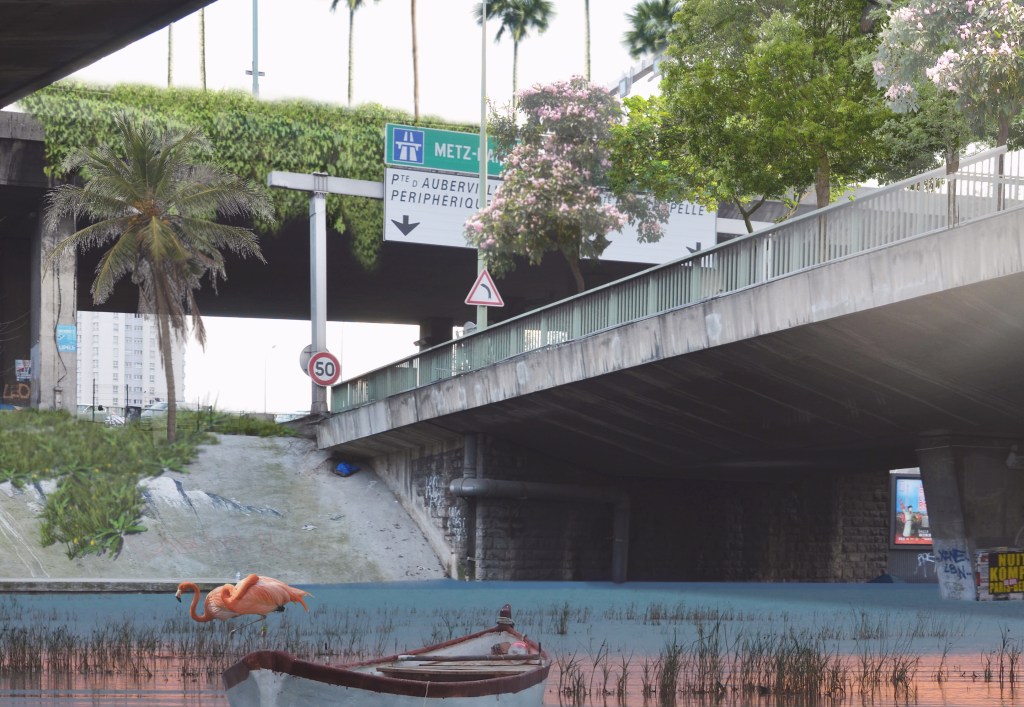
Which strategies should we already pursue today in order to recognise the consequences of the transition to sustainable transport systems for our cities at an early stage and to make use of the opportunities for a sustainable, liveable, healthy city? In my lecture at TU Wien (Vienna University of Technology) I will present tools, paths…
-
International Architecture Design Studio in VR
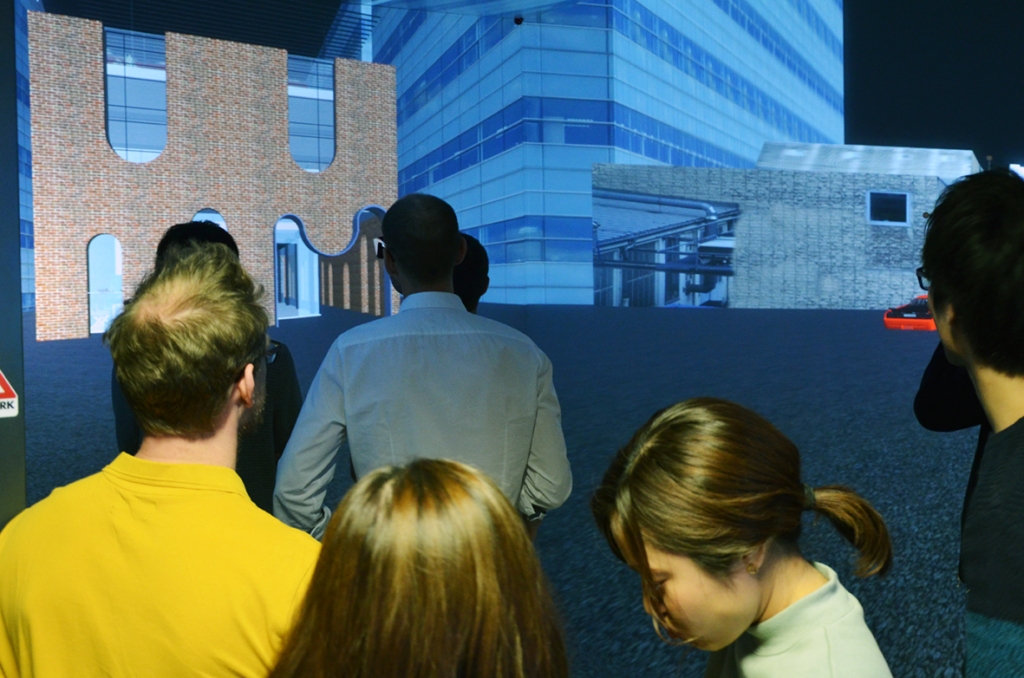
The international Student Seminar 2019 was hosted by the Japan Austria Science Exchange Center (JASEC) at TU Wien and High-Performance Computing Center Stuttgart (HLRS) for architecture students from Saga University (Japan) and local students from TU Wien (Austria). A mixed group of architecture students from TU Wien (Austria) and Saga University (Japan) had the common…
-
Search for Truth

Light – Space – Sound Installation 30th Anniversary of the university library building TU Wien (Vienna University of Technology) November 13 – December 09 daily between 17:00 and 23:00 Karlsplatz/Resselpark/Wiedner Hauptstraße Vienna/Austria Truth and science – only in science we have well defined criteria to differentiate truth from lies as well as probability from improbability.…
-
Grand Paris survey: How walkable is your neighborhood?

We realized a questionnaire in the framework of a scientific study with the focus on life quality and mobility in the surroundings of Paris’ most frequented ring road, the Boulevard Periphérique (between 1.1 and 1.2 million vehicles per day). Are you living in the metropolitan area of Paris? Take part in this online questionnaire and help us…
-
Book: SimLab – departure to new worlds

New book release: „departure to new worlds“ is an illustrated book providing an overview about SimLab’s recent scientific activities with the emphasis on planning and complexity, energy and environment, teaching, 3D virtual realities and how to use them to enhance civic engagement in planning processes. It was published in the framework of SimLab at TU Wien. The book is…
-
Walk21: One Step Back, Two Steps Forward

Post-Oil Strategies for Paris: History can tell us where the robustness of urban structures has been proved by its users, by objects and by space[1]. The knowledge gained from spatial emergence and spatial agency[2] (i.e. morphology, accessibility and connectivity, modal split, density, scales as well as place) can be applied to find out how urban…
 Fabian Dembski