
Category: Workshop
-
TU Wien: Nature Based and Digital Solutions for Future Spatial Planning and Design

During the summer semester 2025, TU Wien’s Faculty of Architecture and Planning, Institute of Spatial Planning, offered an innovative course entitled Digital Twins in the Context of Renaturation: Nature-Based and Digital Solutions for Spatial Planning. The seminar, led by visiting professor Fabian Dembski, explored how digital technologies can be combined with ecological approaches to address…
-
Artificial Intelligence, Real Citizens: Using AI to Co-Design Better Neighborhoods

Finding a common language – beyond technical jargon – is essential to enable citizen science. Visualisation can be particularly useful in this context when it comes to creating scenarios in urban spaces or at the neighbourhood level. With the help of artificial intelligence, scenarios can be created in near real-time by laypersons, which can form…
-
Visiting Professorship at TU Wien

What are ‘digital twins’ and how can they support spatial planning and architecture? What tools and methods can we apply in this context to develop ‘nature-based and digital solutions’ and strategies for climate-resilient cities and regions, and how can we use these for collaborative approaches and more democratic processes? In the seminar “Digital Twins in…
-
International Architecture Design Studio in VR
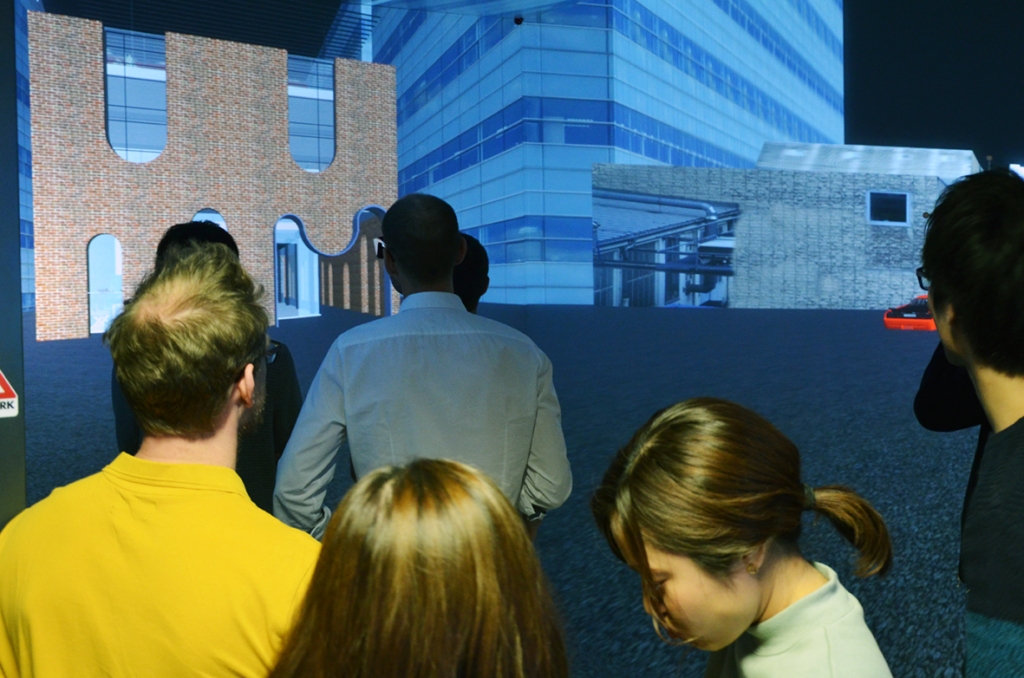
The international Student Seminar 2019 was hosted by the Japan Austria Science Exchange Center (JASEC) at TU Wien and High-Performance Computing Center Stuttgart (HLRS) for architecture students from Saga University (Japan) and local students from TU Wien (Austria). A mixed group of architecture students from TU Wien (Austria) and Saga University (Japan) had the common…
-
Symposium 28–29 May: Urban Systems / Global Challenges / Digital Tools
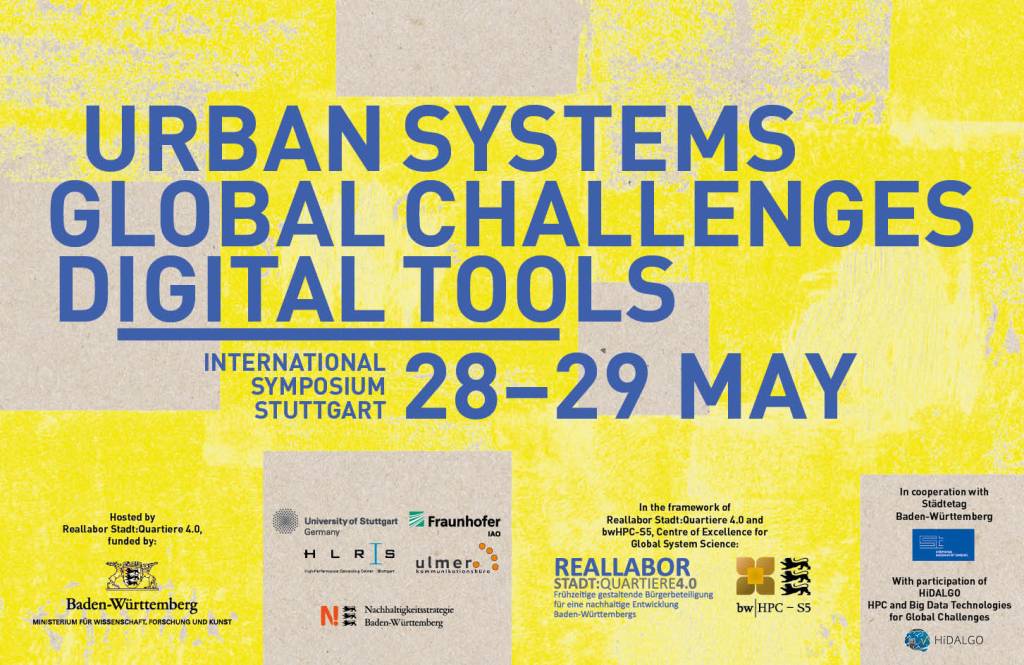
Large-scale digitalization throughout different sectors of society and the economy serves as one of the major disruptive technological trends of our time. In addition to the digital transformation, we must better understand and shape technology’s role in our personal and working lives. Indeed, how these digital transformations impact cities and urban life is still not…
-
Walk21: One Step Back, Two Steps Forward

Post-Oil Strategies for Paris: History can tell us where the robustness of urban structures has been proved by its users, by objects and by space[1]. The knowledge gained from spatial emergence and spatial agency[2] (i.e. morphology, accessibility and connectivity, modal split, density, scales as well as place) can be applied to find out how urban…
-
Workshop with Kids: Architecture and Planning

How would the City look like in the view of their youngest inhabitants? We organized a workshop at a children’s university in the small town of Weyer (KinderUni Oberösterreich) with the focus on urban analysis and sustainability in planning and architecture. See the gallery to find out more about the great designs the kids created in just…
-
We think and work in all scales
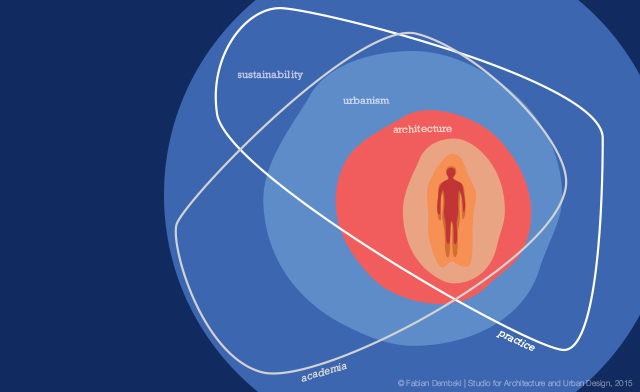
We think and work in all scales. That’s the basis for every project regarding environmental sustainability and stewardship, social equity, economic viability and aesthetic delight. Find out more about our projects on our updated website. In addition you can find more information about our workshop portfolio on the website of SimLab (Vienna University of Technology) or…
-
The movens Project
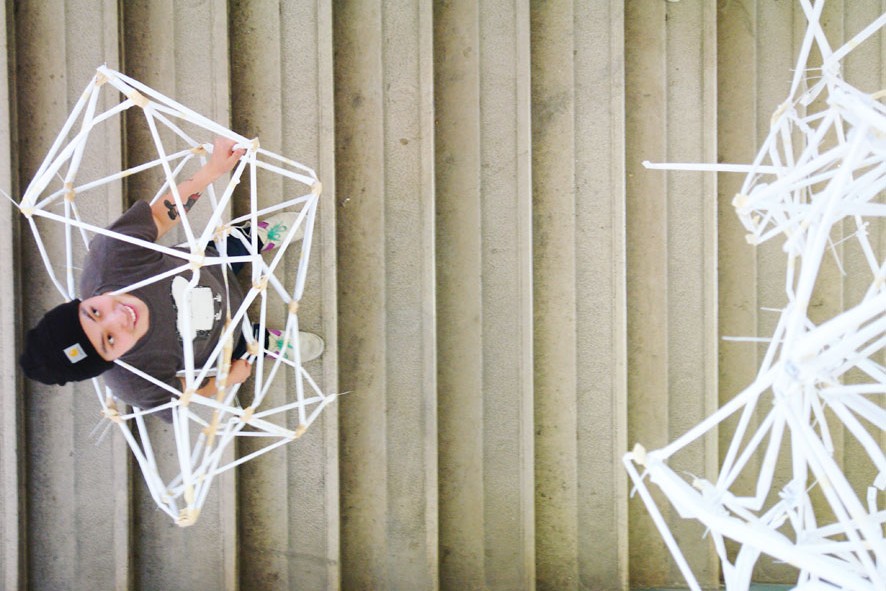
It’s all about space in various scales – ranging from architectural details to constructive structures, buildings, city and regional development to satellite navigation and measuring the world. The aim of movens society (founded in 2011 by Katharina Tielsch, Marjan Maftoon and Fabian Dembski) is to make children and youth aware of the built environment, of…

 Fabian Dembski