
Category: urban infill development
-
Artificial Intelligence, Real Citizens: Using AI to Co-Design Better Neighborhoods

Finding a common language – beyond technical jargon – is essential to enable citizen science. Visualisation can be particularly useful in this context when it comes to creating scenarios in urban spaces or at the neighbourhood level. With the help of artificial intelligence, scenarios can be created in near real-time by laypersons, which can form…
-
Guest Lecture at TU Wien: The Post-Oil City: Case Studies and Strategies
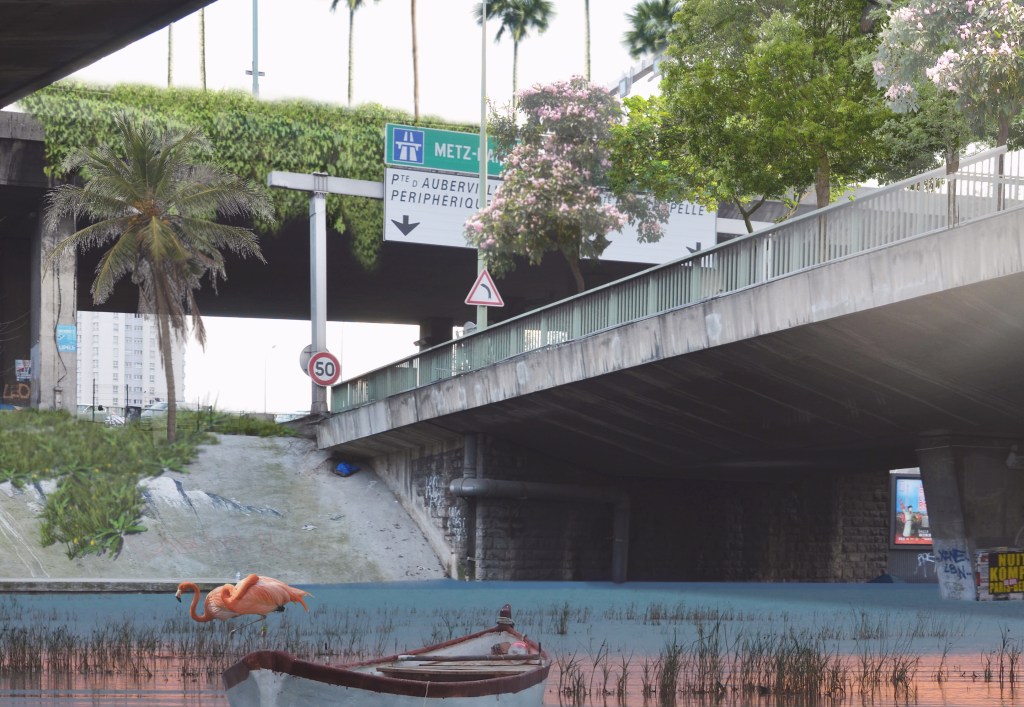
Which strategies should we already pursue today in order to recognise the consequences of the transition to sustainable transport systems for our cities at an early stage and to make use of the opportunities for a sustainable, liveable, healthy city? In my lecture at TU Wien (Vienna University of Technology) I will present tools, paths…
-
Symposium 28–29 May: Urban Systems / Global Challenges / Digital Tools
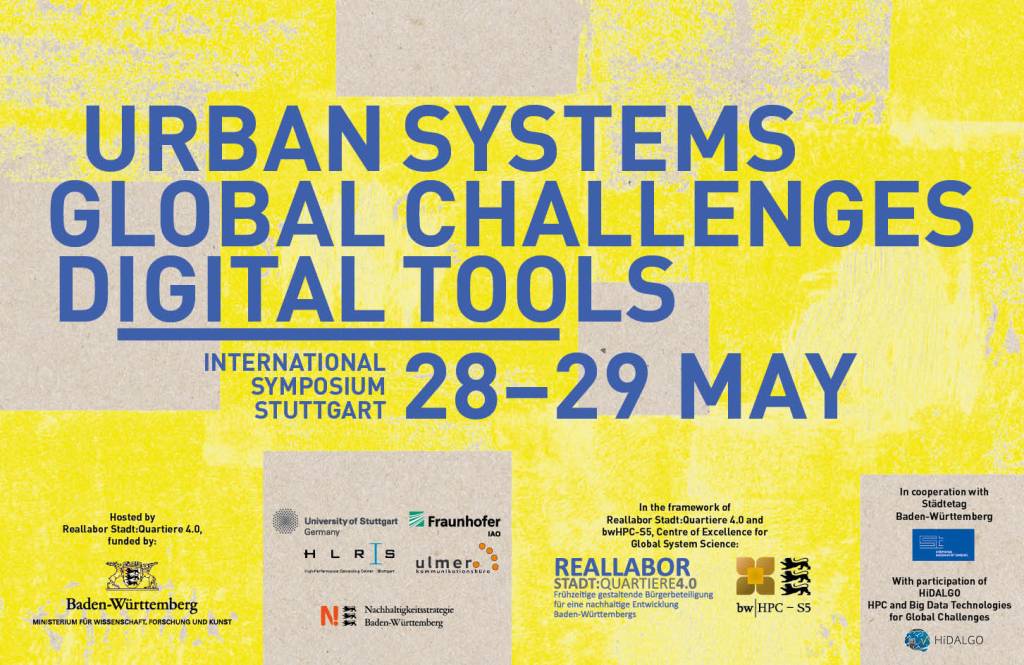
Large-scale digitalization throughout different sectors of society and the economy serves as one of the major disruptive technological trends of our time. In addition to the digital transformation, we must better understand and shape technology’s role in our personal and working lives. Indeed, how these digital transformations impact cities and urban life is still not…
-
Living Lab Urban:Quarters 4.0 at HLRS

The research focus of Living Lab Urban:Quarters 4.0 (Reallabor Stadt:Quartiere 4.0) lies on the development of digital tools to support citizens, planners, and decision makers with the aim of creating synergies and cooperation across complex and dynamic processes in the context of digital transformation. One of the major challenges is the linking of expectations and…
-
Grand Paris survey: How walkable is your neighborhood?

We realized a questionnaire in the framework of a scientific study with the focus on life quality and mobility in the surroundings of Paris’ most frequented ring road, the Boulevard Periphérique (between 1.1 and 1.2 million vehicles per day). Are you living in the metropolitan area of Paris? Take part in this online questionnaire and help us…
-
Walk21: One Step Back, Two Steps Forward

Post-Oil Strategies for Paris: History can tell us where the robustness of urban structures has been proved by its users, by objects and by space[1]. The knowledge gained from spatial emergence and spatial agency[2] (i.e. morphology, accessibility and connectivity, modal split, density, scales as well as place) can be applied to find out how urban…
-
Ongoing Research: Energy-Conscious Urban Infill Development

Case Study: Post Oil Strategies for Paris History can tell us where the robustness of urban structures has been proved by its users, by objects and by space¹. The knowledge gained from spatial emergence and spatial agency² (i.e. morphology, accessibility and connectivity, modal split, density, scales as well as place) can be applied to find out how…
 Fabian Dembski