
Category: High Performance Computing Center Stuttgart
-
TU Wien: Nature Based and Digital Solutions for Future Spatial Planning and Design

During the summer semester 2025, TU Wien’s Faculty of Architecture and Planning, Institute of Spatial Planning, offered an innovative course entitled Digital Twins in the Context of Renaturation: Nature-Based and Digital Solutions for Spatial Planning. The seminar, led by visiting professor Fabian Dembski, explored how digital technologies can be combined with ecological approaches to address…
-
Visiting Professorship at TU Wien

What are ‘digital twins’ and how can they support spatial planning and architecture? What tools and methods can we apply in this context to develop ‘nature-based and digital solutions’ and strategies for climate-resilient cities and regions, and how can we use these for collaborative approaches and more democratic processes? In the seminar “Digital Twins in…
-
Has Digitalisation Not Been Given Enough Attention in Planning?
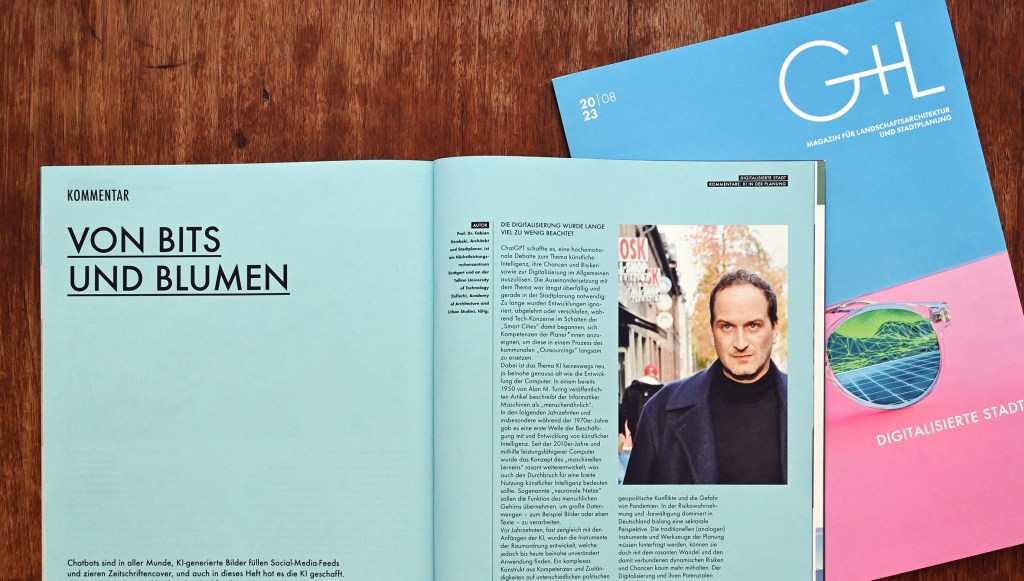
ChatGPT triggered a highly emotional debate on the topic of artificial intelligence, its opportunities and risks and digitalisation in general. Addressing the topic was long overdue and particularly necessary in urban planning: For too long, developments were ignored, rejected or slept through, while tech companies began to acquire planners’ skills in the shadow of “smart…
-
Study: How Youth Culture Shaped Urban Space in Vienna During the Pandemic
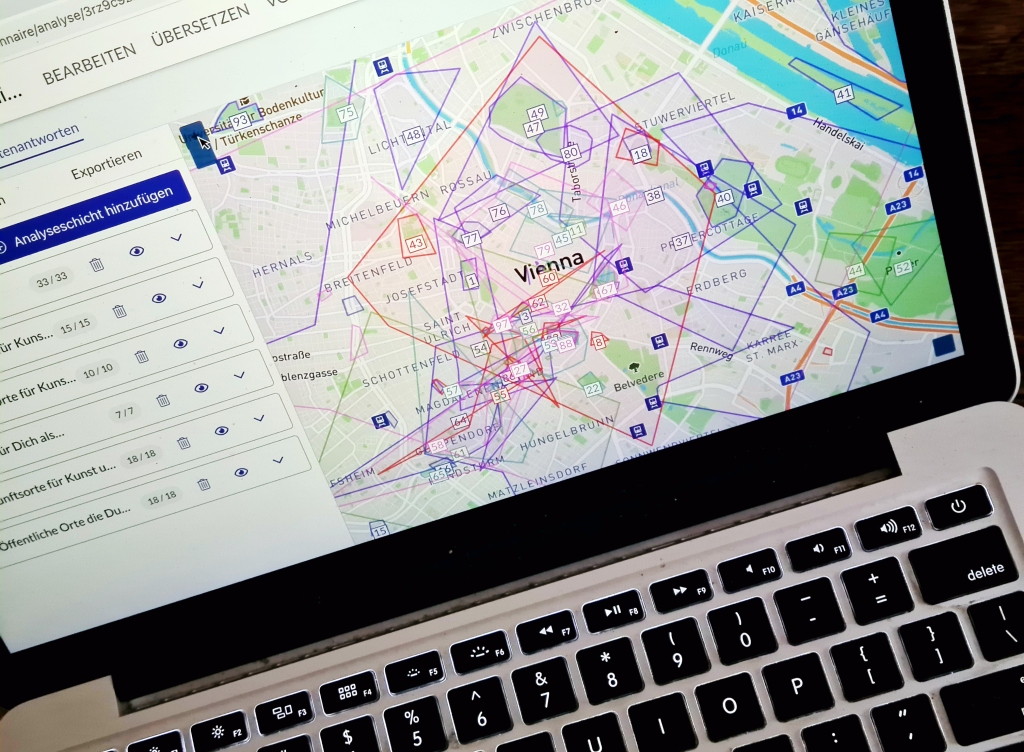
How did the pandemic change our urban spaces, and how sustainable was this development? The study investigates which places were frequented by young people during the COVID-19 measures in Vienna and how they were used and adapted for informal cultural and artistic activities. Using an online questionnaire or citizen engagement platform that also allowed geo-referenced…
-
GreenTwins Project Successfully Completed
The GreenTwins large pilot project was completed with great success at the end of August. GreenTwins developed digital participatory tools and processes and a dynamic green layer for Tallinn’s digital twin. The applications and tools developed in the project are used, for example, by the City of Tallinn, the European Green Capital of 2023. To…
-
Supercomputing: Risk and Complexity in Planning

Can planning in Germany still keep up with its traditional instruments and tools in the current world of rapid change? There is great need for action in view of ever faster innovation cycles, global dynamics, conflicts and needs, which planning practice lags behind. Potential dangers are increased by extensive land consumption, resulting sealing, the conflict…
-
GreenTwins Tallinn and Helsinki: Digital Twins for More Democratic, Resilient and Greener Cities.
Green spaces in cities are of particular importance in the face of ongoing urbanisation and the anthropogenic climate change. Urban greenery affects the physical and mental health of citizens. It reduces the immediate effects of global warming such as heat islands and improves the thermal comfort of cities. In addition, plants have an impact on…
-
Urban Mobility and Placemaking: Using Digital Tools
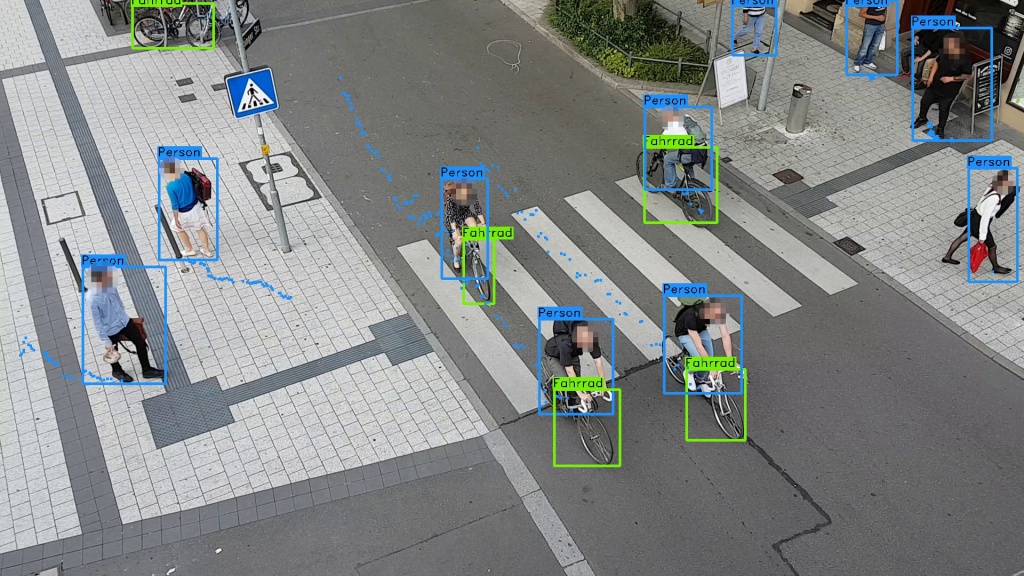
Urban spaces are subject to constant change. Urban planning and its infrastructure are complex and characterised by different interests.In the framework of the research project CapeReviso, we are developing a tool for urban and transport planning in order to achieve an improved and more democratic basis for decisions. The planning- and decision-support tool is developed…
-
Teaching: Scientific Visualisation in VR and AR at TU Wien
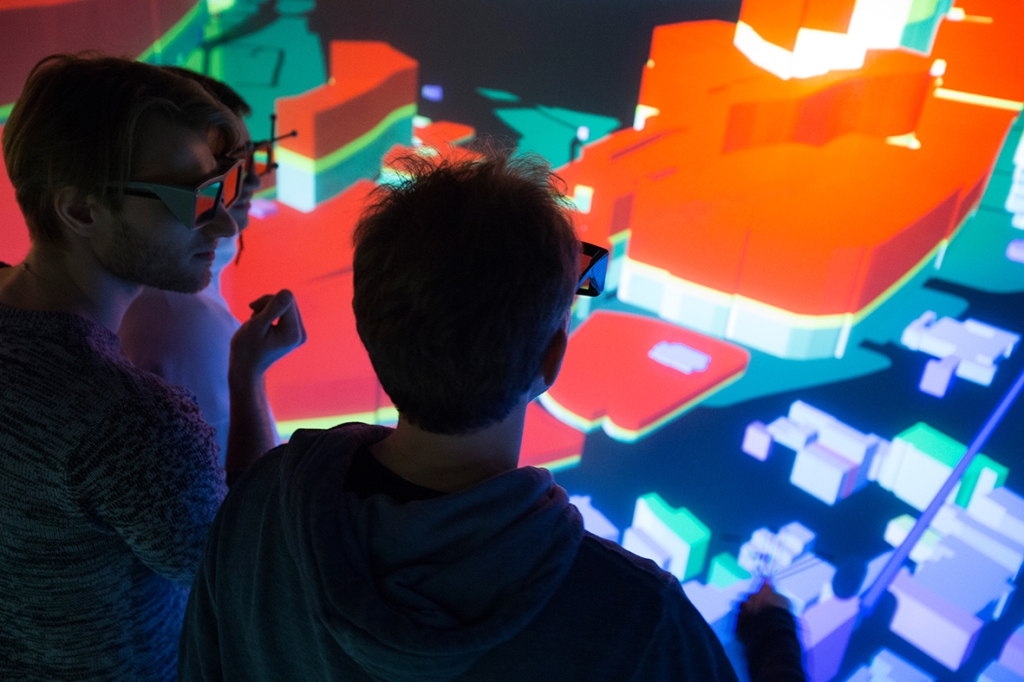
This seminar is addressed to students of all faculties and fields of study who want to learn how to visualize their own research results, designs, analyses and simulations on desktop, but also in augmented and virtual reality. Another key objective of the seminar is to promote interdisciplinary cooperation and to support scientific exchange beyond the…
-
Recent Publications
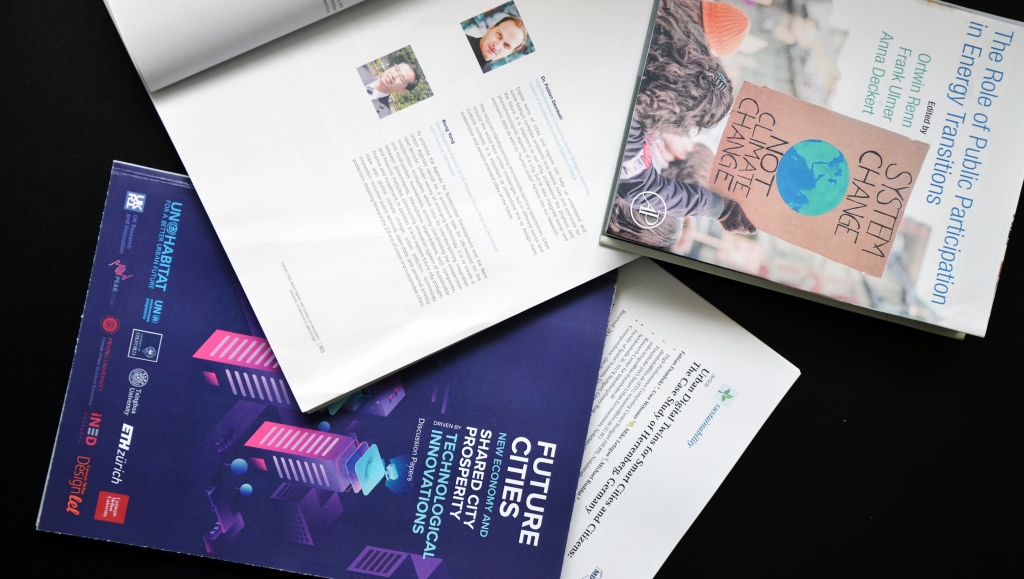
We used the past months to publish some of our current research topics and results that deal with the effects and chances of the digital transformation, the transport and energy transition on urban and regional development. They all have the application of digital tools in common – for example digital twins – as well as…
 Fabian Dembski